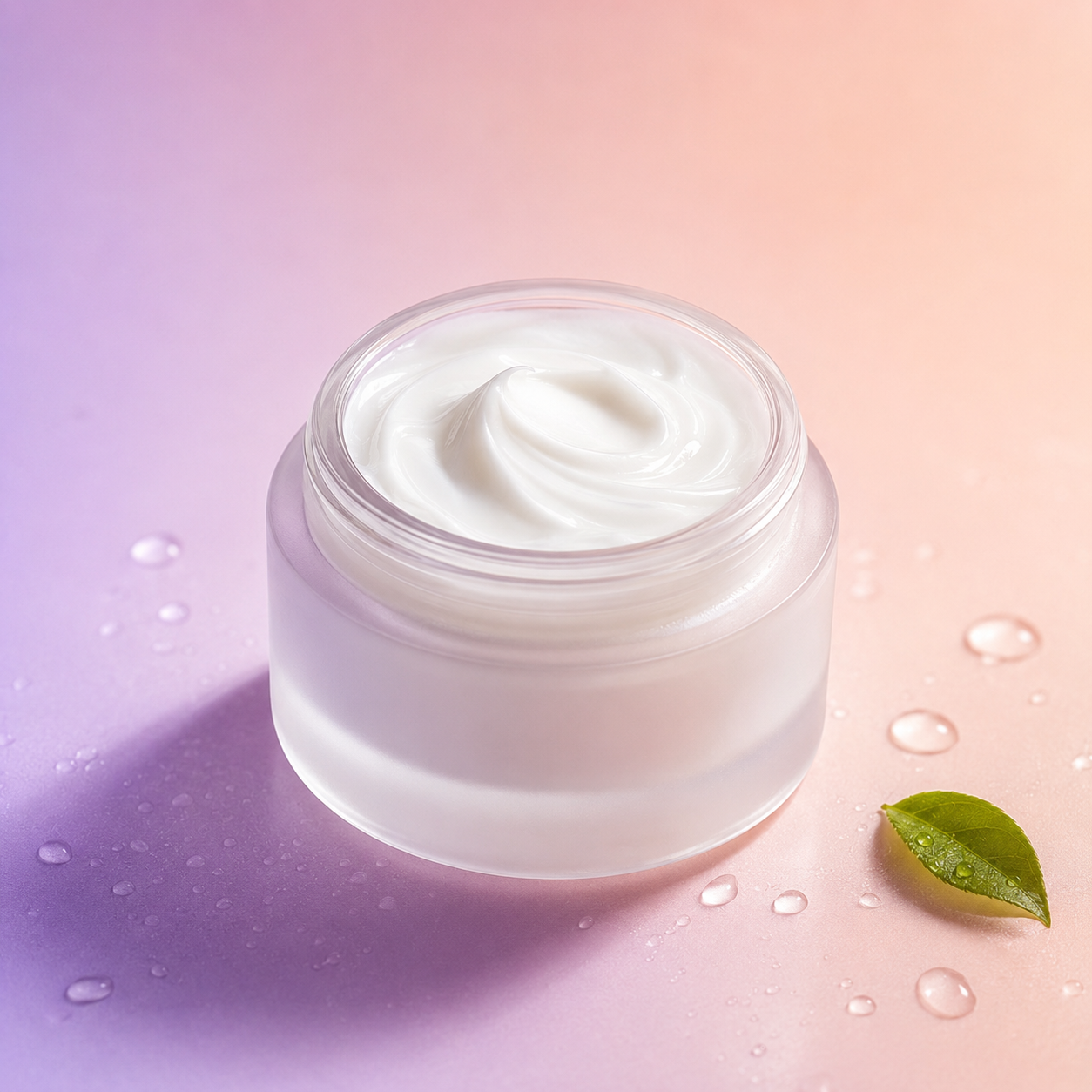
Skin type is a starting point, not a permanent label. Weather, treatments, cleansing habits, and hormonal changes can shift how rich or light your moisturizer needs to feel.
Our editorial team compares current manufacturer information with established public skincare guidance. We do not claim hands-on testing unless it is explicitly stated, and we separate product facts from our own analysis.
Dry-feeling skin: prioritize comfort and staying power
Creams and ointment-like textures usually provide more cushioning than watery gels. Look for a balance of humectants, emollients, and occlusive support. Apply after cleansing while skin is still slightly damp when that fits the product directions.
Oily or combination skin: choose light, not absent
Oily-feeling skin can still benefit from moisturizer. Gel-creams and lotions may sit more comfortably than rich creams. Non-comedogenic labeling is a useful filter for acne-prone shoppers, though individual responses still vary.
Sensitive-feeling skin: simplify the comparison
Fewer highlighted actives can make a formula easier to evaluate. Consider fragrance-free options and introduce one product at a time. If your skin is already irritated, pause optional exfoliants rather than trying to solve discomfort with more products.
Make a final decision with five questions
Ask whether the texture fits your climate, the package is practical, the size matches the price, the formula avoids your known triggers, and the product layers with sunscreen. These questions usually narrow the field better than a viral ranking alone.
Sources & further reading
We reviewed the following public sources while preparing this article. Product formulas and directions can change, so confirm current details before use.