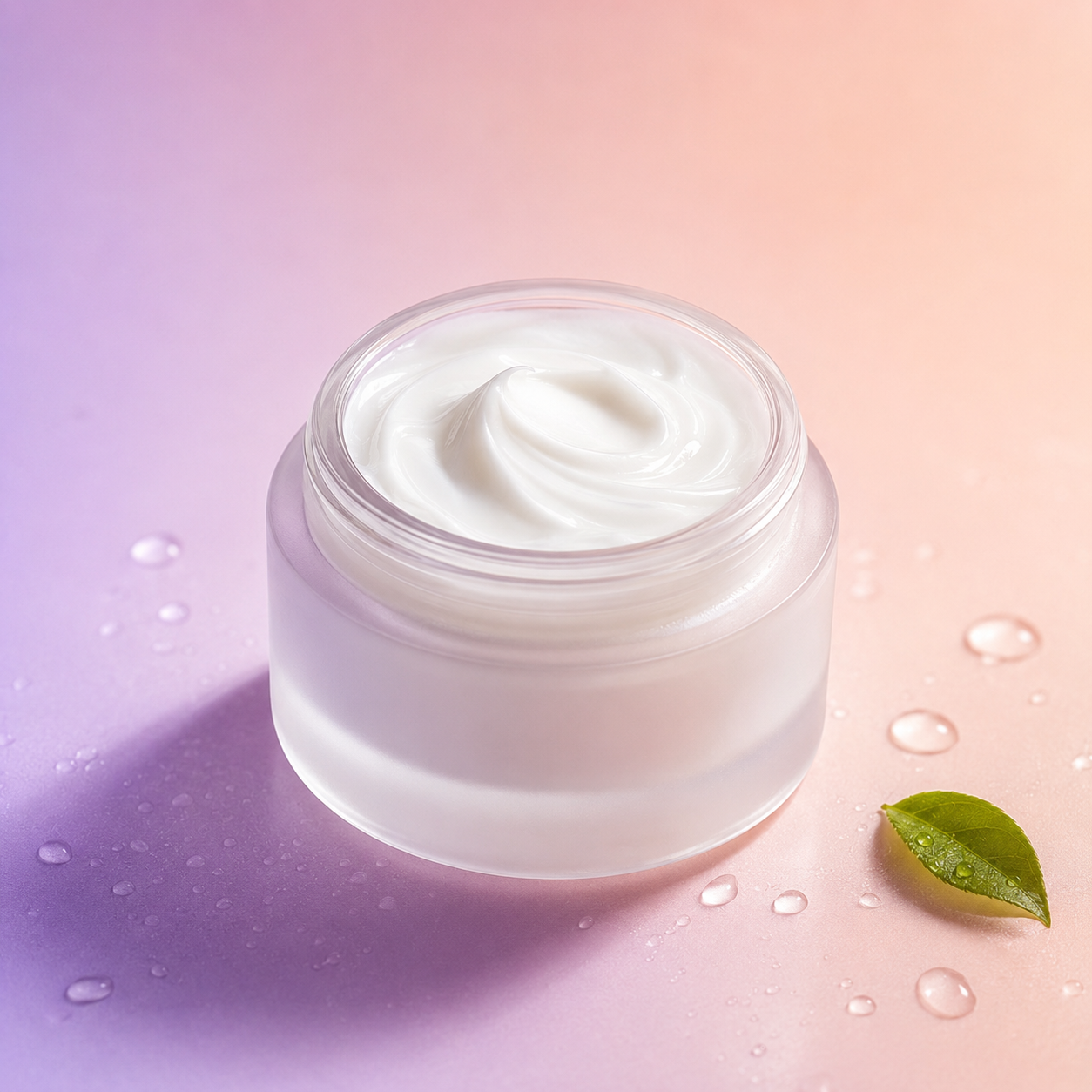
Dry-feeling skin does not automatically need the heaviest jar on the shelf. A useful moisturizer is one whose texture, ingredient balance, packaging, and price make it easy for you to apply consistently.
Our editorial team compares current manufacturer information with established public skincare guidance. We do not claim hands-on testing unless it is explicitly stated, and we separate product facts from our own analysis.
Start with the texture you will actually wear
Creams usually feel richer and more cushioning. Lotions spread quickly and can be easier under sunscreen. Gels feel light and refreshing, although very dry skin may prefer a cream layered over a hydrating step. Climate matters too: a formula that feels perfect in winter may feel excessive in humid weather.
Do not treat texture as a measure of quality. A lighter lotion can be the better daytime choice, while a richer cream may work better at night or on areas that feel tight. The most practical option is the one you can use without dreading the finish.
Use a three-part ingredient checklist
Well-rounded moisturizers often combine humectants, emollients, and occlusive ingredients. Humectants help attract water, emollients soften rough-feeling skin, and occlusives help slow moisture loss. You do not need to memorize every ingredient; use these roles to compare the overall formula.
- Humectants: glycerin and hyaluronic acid are common examples.
- Barrier-supporting lipids: ceramides and fatty ingredients may help a formula feel more replenishing.
- Occlusive support: dimethicone or petrolatum can be useful when skin loses moisture easily.
- Fragrance preference: choose fragrance-free when fragrance has bothered your skin before.
Our research-led short list
CeraVe Moisturizing Cream is our richer barrier-focused reference point; Vanicream Daily Facial Moisturizer represents a simpler fragrance-free direction; and Neutrogena Hydro Boost is the type of gel texture some combination-skin shoppers prefer. These are comparison starting points, not universal winners.
Check the current formula and package size on the manufacturer or retailer page before buying. Product names can remain familiar while formulas, sizes, and sellers change. We do not display copied retailer ratings or claim that popularity proves a product will suit your skin.
Who should slow down
Introduce one new moisturizer at a time, especially when your routine already includes exfoliating acids or retinoids. Persistent cracking, pain, swelling, bleeding, or a sudden rash deserves qualified medical advice rather than repeated product switching.
Sources & further reading
We reviewed the following public sources while preparing this article. Product formulas and directions can change, so confirm current details before use.